Turning Urban Waste into Community Wealth through Circular Innovation and Sustainable Infrastructure.
Learn Our VisionTo implement an integrated waste system that empowers every resident and barangay. We aim to transform garbage from an "economical distress" into a community-based resource through active participation in the 3Rs: Reduce, Reuse, and Recycle.
A resilient, zero-waste metropolitan city where a circular economy thrives. We envision a future where urban systems dispense with the very idea of "waste," integrating ecological health into the city’s essential infrastructure.
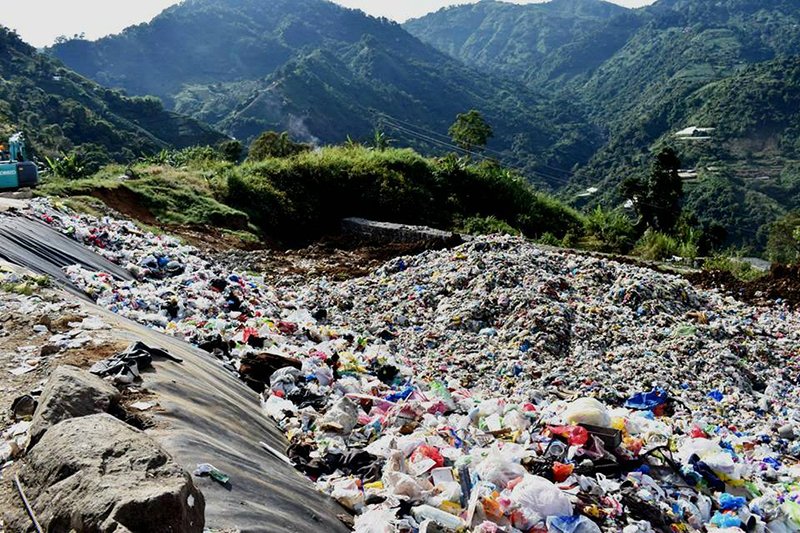
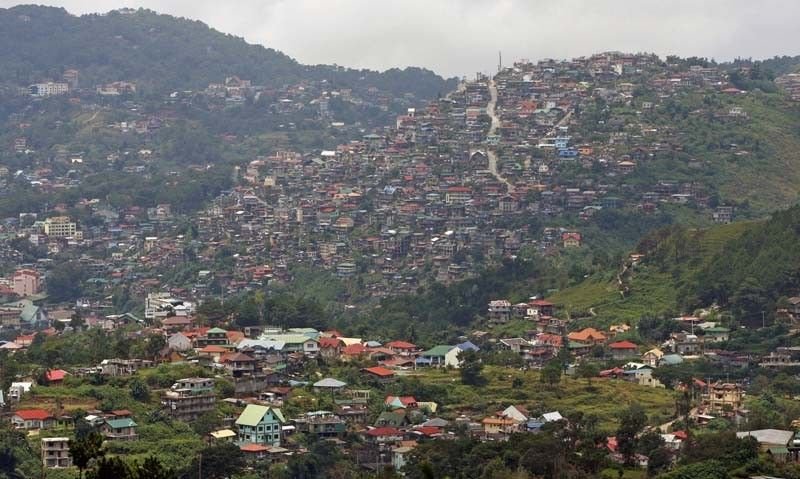
In Baguio City, despite being recognized as one of the most prominent cities for its clean environment, the city has been facing a significant waste management problem, generating tons of waste daily. One major issue is the lack of long-term waste management planning, which has caused its only sanitary landfill in neighboring provinces, such as Pangasinan, to reach or approach its capacity (Agoot, 2025). This dependence on transporting waste to other provinces highlights a serious infrastructural challenge for the city.
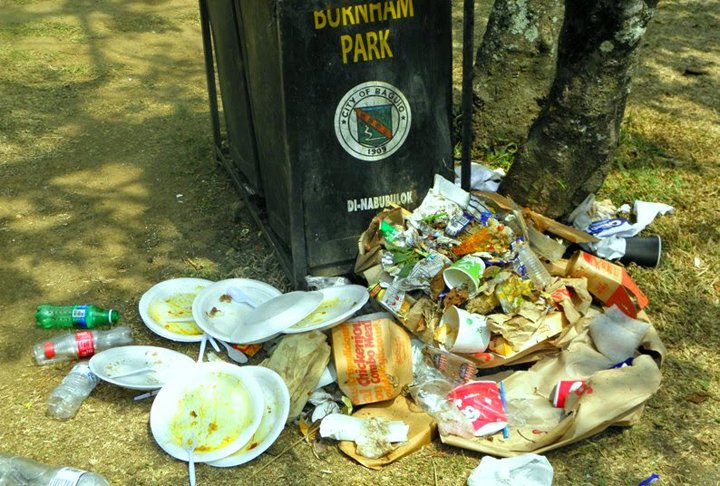
Solid waste management problems are not only environmental concerns—they are also influenced by social factors. The way people live, think, and behave significantly affects how much waste is produced and how it is managed. In many communities, waste problems occur not only because large amounts of trash are generated, but also because of how people handle waste in their daily lives.
For example, population growth increases the amount of garbage produced in homes, schools, and businesses. As more people settle in an area, greater quantities of food waste, plastic, paper, and other materials are discarded each day. When waste collection systems cannot keep up with this increase, trash often accumulates in streets, waterways, and vacant lots, creating environmental and public health concerns.
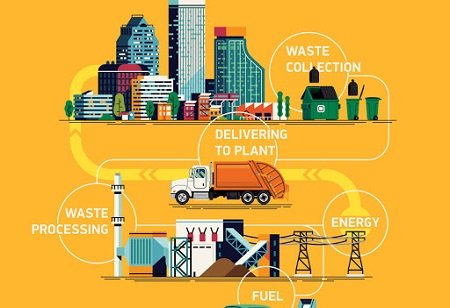
Implementing and investing early in technological machinery opens the gate to our brighter future! One of the main solutions to solving the city’s waste management crisis is by applying the use of technology. Despite being controversially renowned as a “non-eco friendly” material– when used correctly, it can actually solve our waste management problems (Dey, 2023), switching from traditional, inefficient approaches to productive and data-driven solutions that support a circular economy.
Here are some of the few innovative technologies that can solve the city’s main problem:
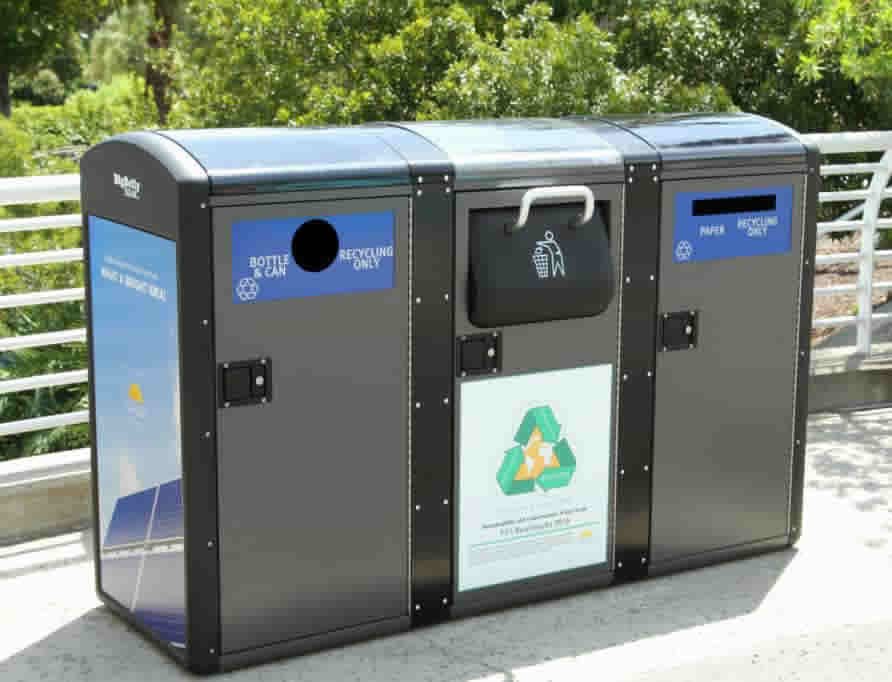
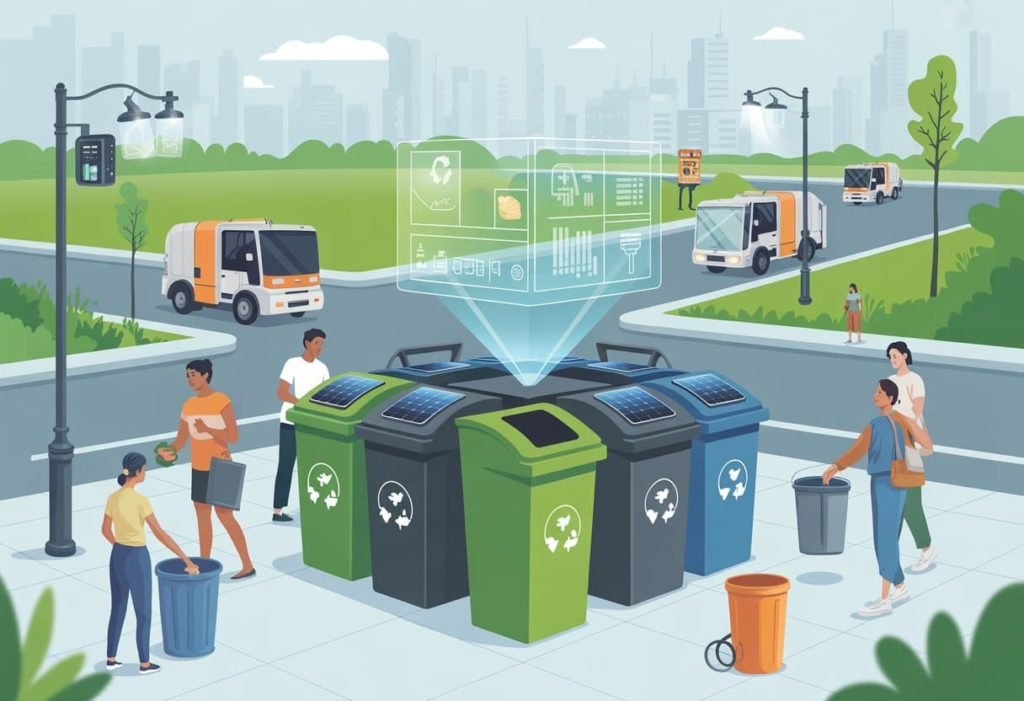
his approach involves assessing solar-powered garbage cans in popular tourist or any public areas. These smart bins have sensors built in to determine how full they are. When a certain amount of trash is accumulated. Waste is squashed by a mechanism inside to expand the bin's capacity. The sensor alerts waste management staff when the bin is full and cannot be compressed any longer, allowing it to be swiftly emptied (Shettar et al, 2021). This maintains tourist areas clean, avoids overflowing rubbish, and minimizes the regularity of collections. Additionally, it minimizes greenhouse gas emissions by up to 80–90% (Wärenhed, 2023) by using these on-site garbage cans, which can carry five to eight times more waste than typical bins.
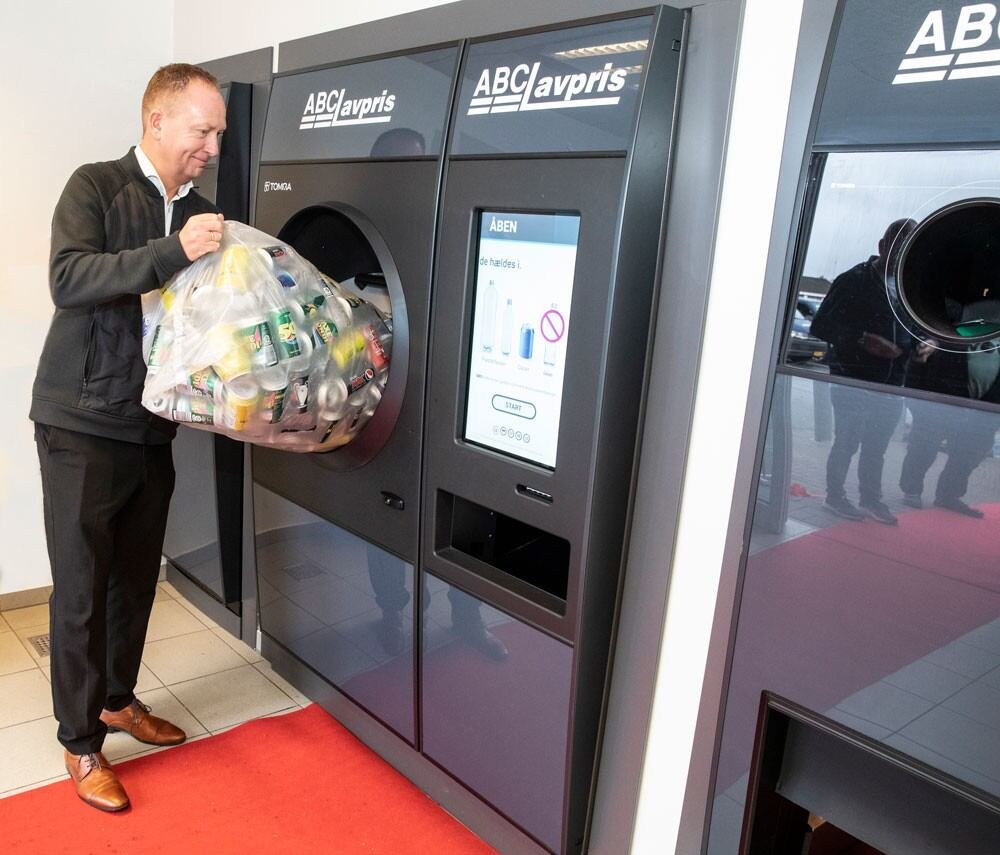
This solution is a reward-based scheme developed in partnership with schools and local retailers. According to Xin (2013), the goal is to encourage consumers, particularly students, to return empty beverage containers (such as plastic bottles or cups) rather than discarding them. In exchange for this, they will receive money. The amount of money varies on the size and the specific weight of the trash. This promotes recycling and reuse while cultivating an awareness of environmental responsibility. Encouraging a circular economy by efficiently and financially collecting used beverage containers guarantees better recycling and keeps solid wastes such as metal and plastic out of landfills and polluting the ocean.
These solutions have a strong STEM foundation. While its sensors and data processing rely on computer science and electronics, the intelligent solar-powered compactor uses engineering and physics to create an automated garbage system. In a comparable manner, the reverse vending machine shows how scientific ideas and technical innovation are crucial for developing sustainable urban infrastructure by combining mechanical engineering and technology to recognize, classify, and reward recycling.
Understanding the scale of waste in Baguio City
Daily Waste Produced
Annual Management Cost
Biodegradable
Recyclable Potential
Residual
Tourism significantly increases waste generation, putting extreme pressure on collection logistics during peak months.
Currently, only 18% of total waste is successfully recycled, leaving 82% to be hauled or improperly discarded.
Unmanaged plastic pollution is actively leaking into our local waterways, threatening the regional ecosystem and health.
The regional landfill is projected to reach total capacity in just 12 years, necessitating immediate intervention.
Our strategy is backed by data from local government units and global environmental leaders.